
the narrative
for years, I thought I wasn’t creative enough.
I could learn a technique.
I could follow the steps.
I could recreate what I saw.
but I didn’t know how to create.
the questions changed.
why does this shape feel balanced?
why does this section need to move in that direction?
what changes when I change the tension?
why does one detail make the whole hairstyle feel different?
instead of asking how, I began asking why.
The answers weren’t always in another technique.
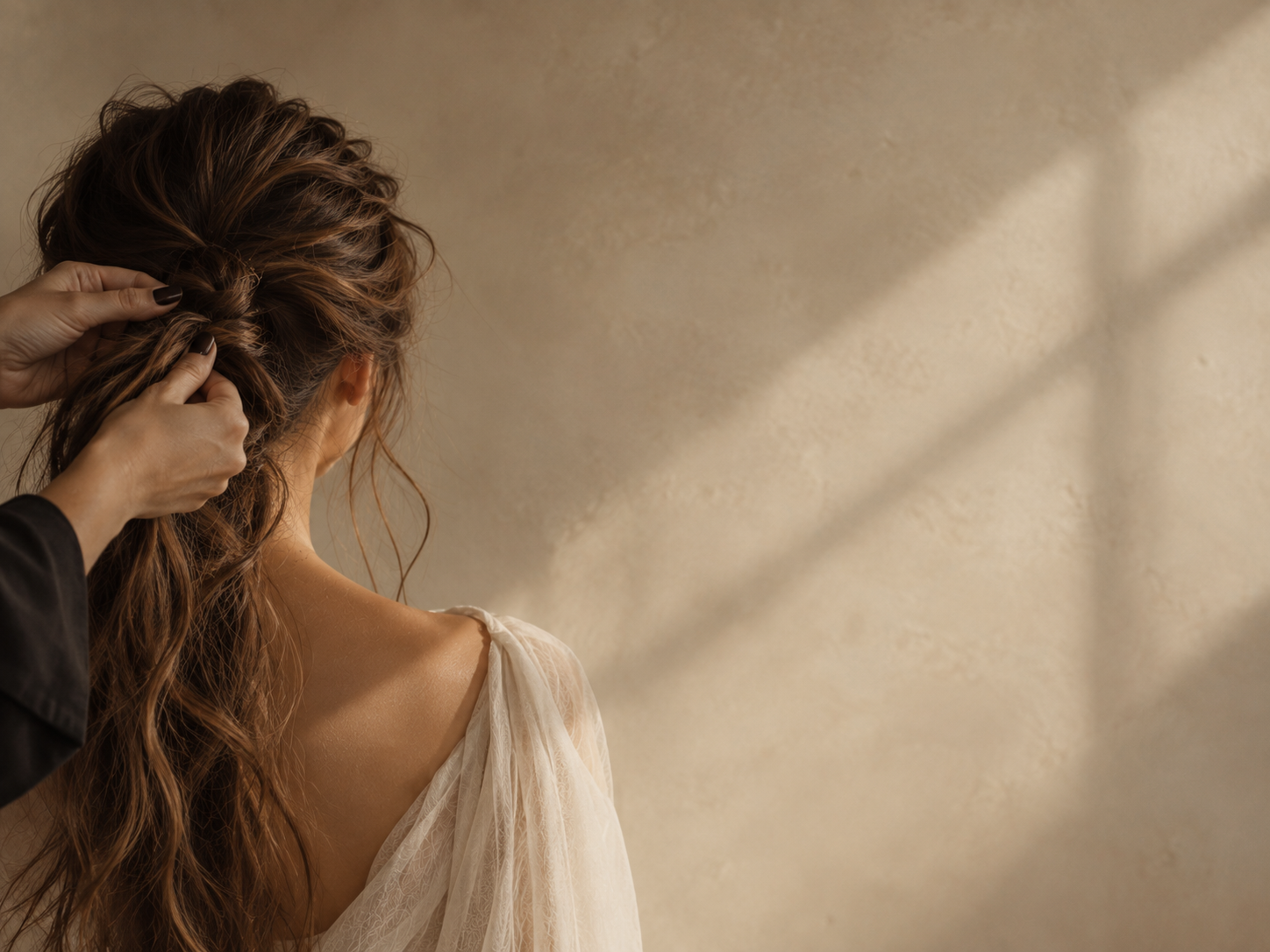
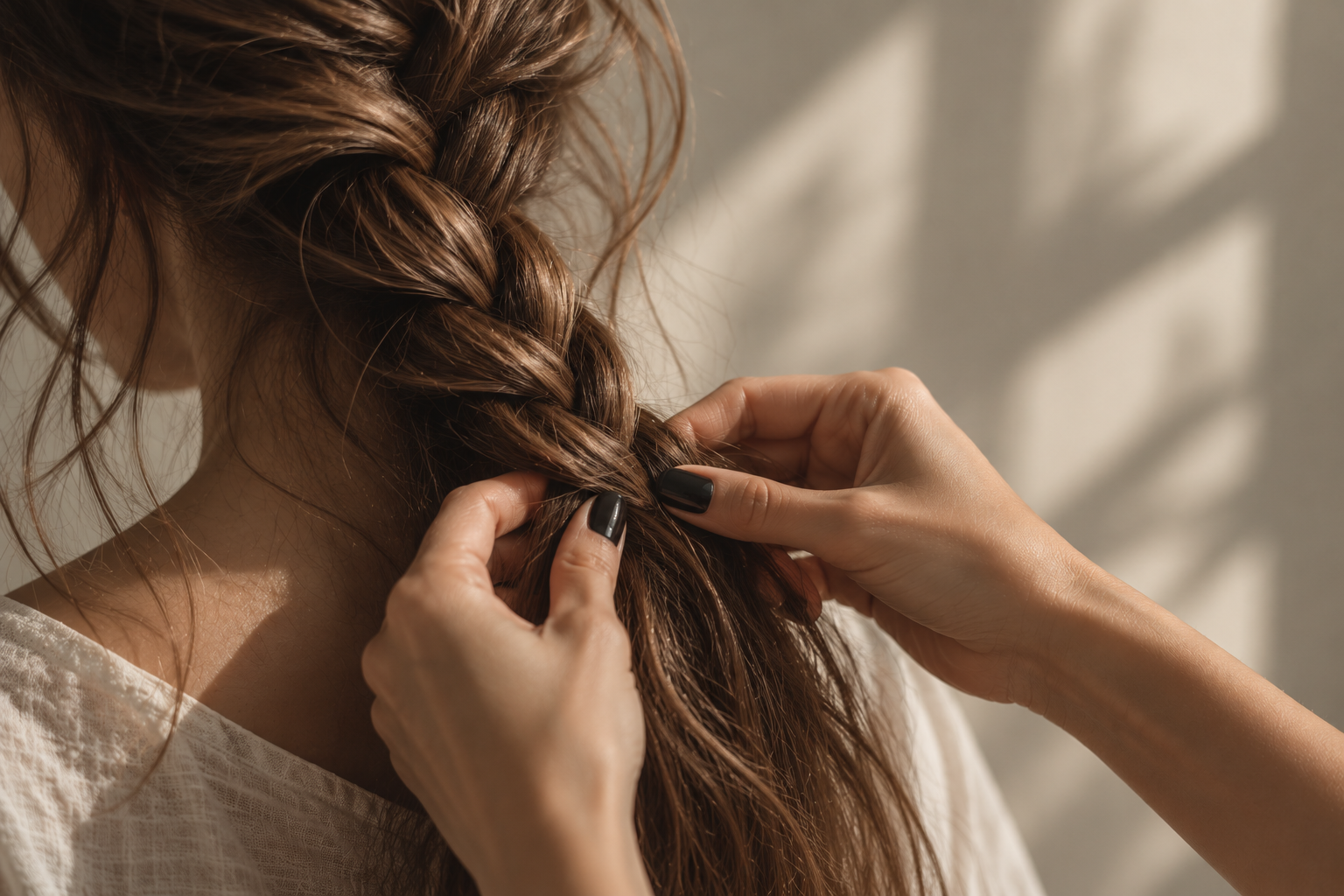
Sometimes, they were already there — in the hair, in the structure, in the way one decision affected the next.
I just had to slow down enough to notice them.
what I began to notice.
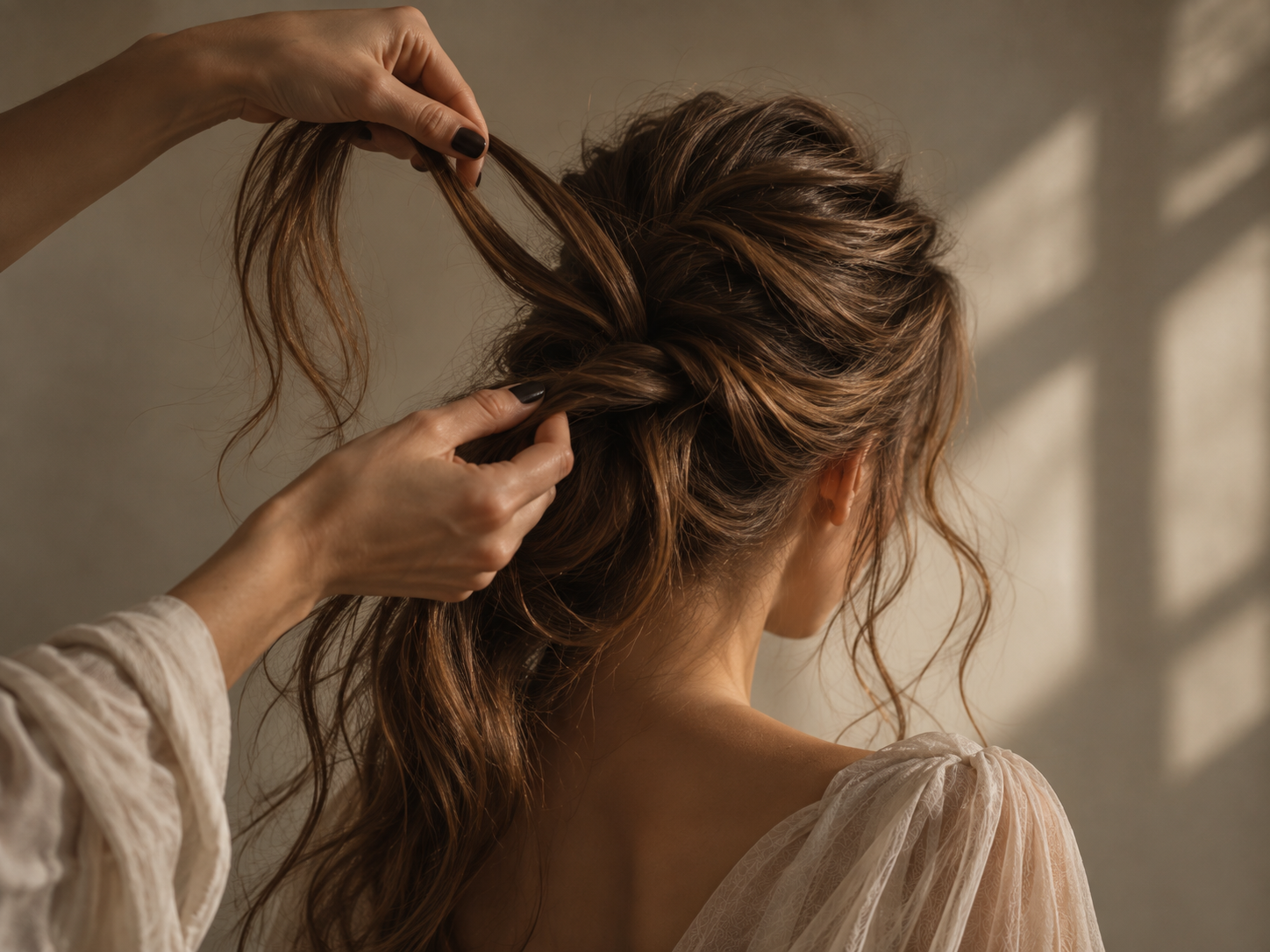
direction
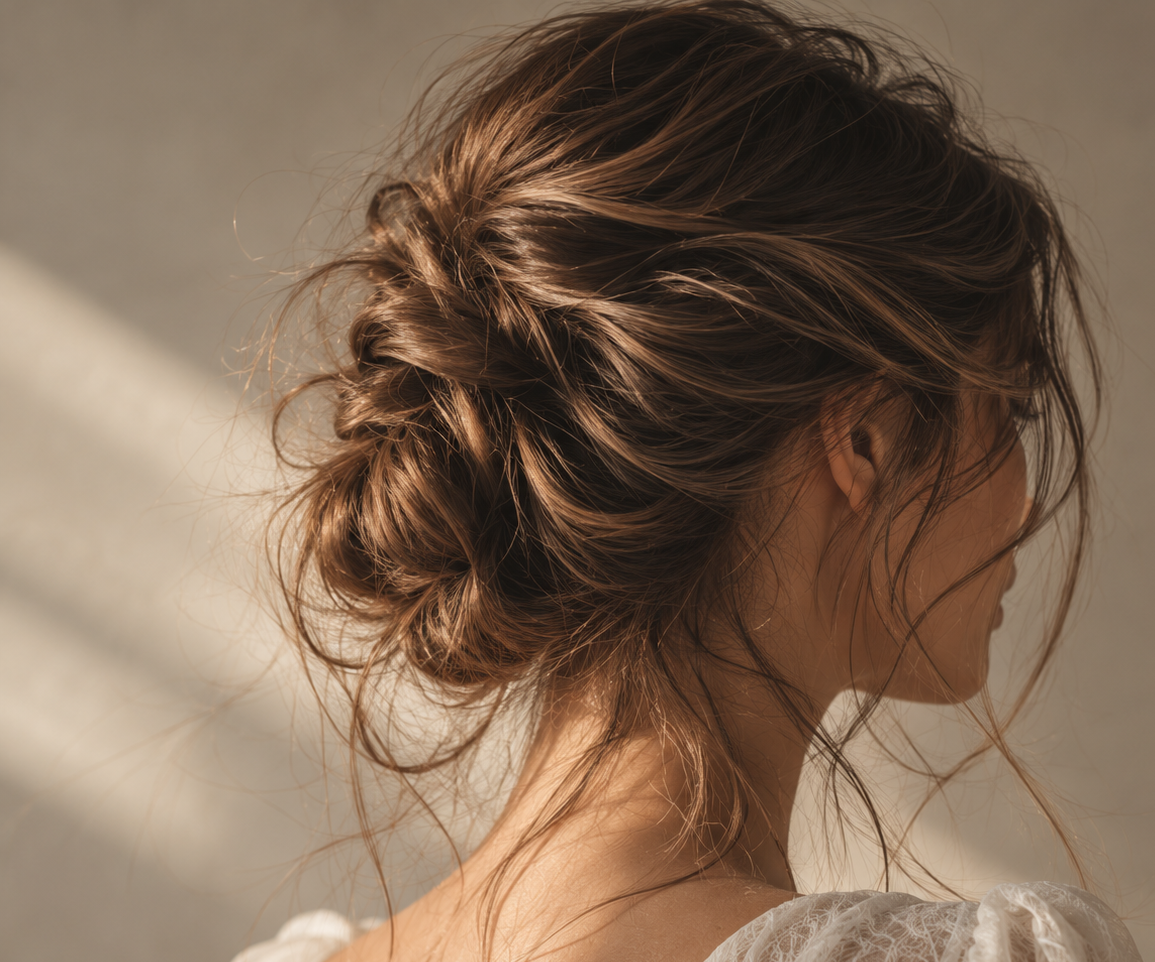
volume
figures

texture
not as isolated rules, but as choices — each one changing the way the hairstyle looked, moved and felt.
And somewhere between what was already there and the decisions I began to make,
I started to understand design.
what simplicity came to mean.
-
as I began to understand design, I became more thoughtful about what I added or not.
each choice had a purpose. sometimes, texture, direction and volume could work together without competing for attention.
this became the foundation of the hair narrative: a space to explore the art of hairstyling, learn through practice, and develop your own way of understanding.